Woolrich wool coat (vintage styles) — Durability & Longevity Review
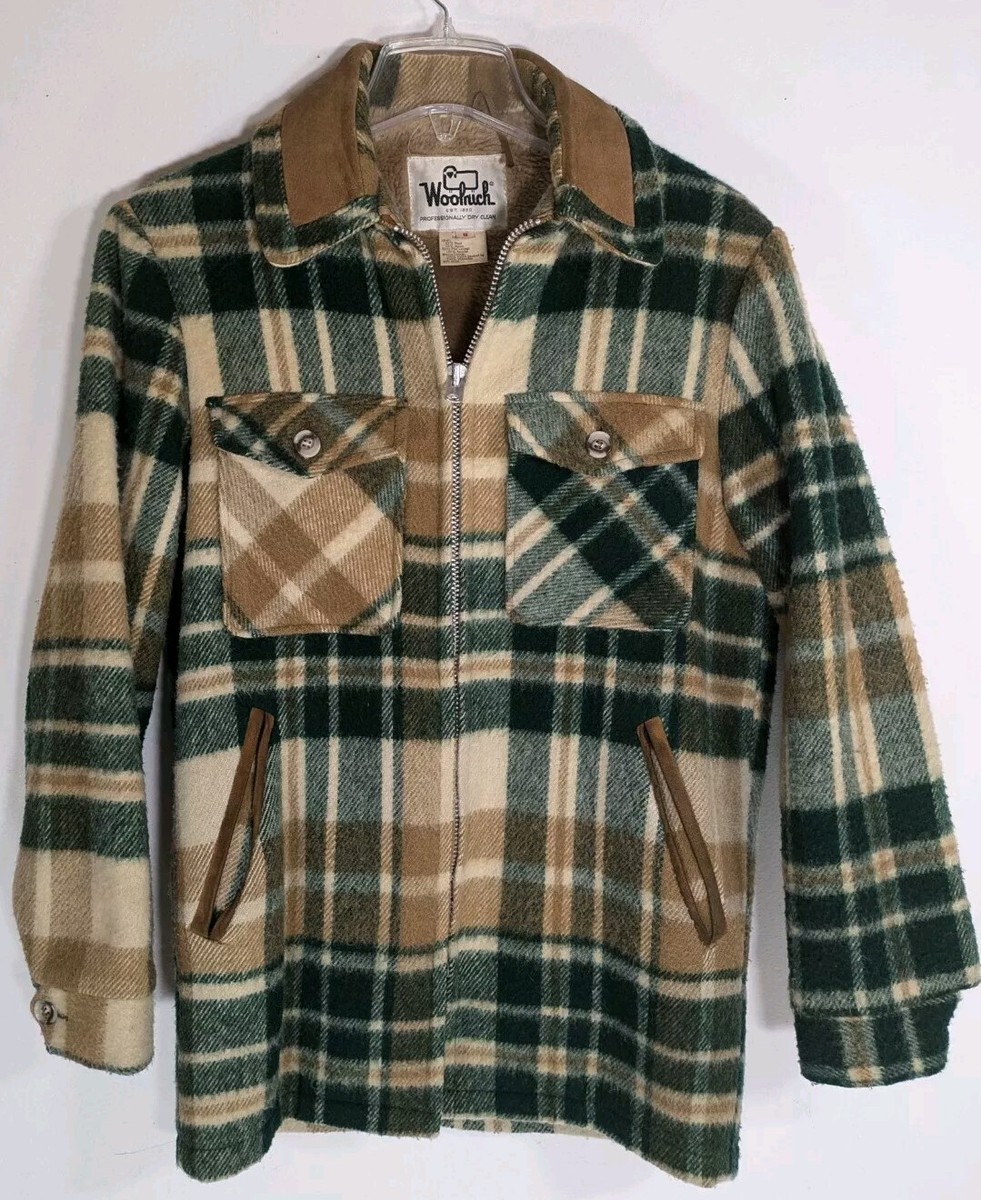
Links may earn a commission for this site.
Reliability Score: 7/10
Verdict: Vintage Woolrich wool coats are described as long-lived, with multi-decade wear reported and signs of aging limited to fit/sleeve length and occasional pocket damage. Current production is repeatedly contrasted against earlier US-made offerings, with durability and value questioned for newer lines.
Pros
- Decades of continued wear
- Heavyweight 24 oz wool warmth
- Thrift find vintage condition kept
Cons
- Modern quality drop vs vintage
- Sleeves shorten with shrinkage
Compare with Alternatives
Compare vs SandsendCompare vs Woolrich Wool CoatCompare vs Bridge CoatWoolrich wool coat (vintage styles) — In-Depth Durability Analysis
Longevity claims: coats bought in 1980, 1970, 60s, 50s, and 1920s-era garments reported still in “amazing,” “pristine,” or “still pretty much exactly” condition after decades. Care practices linked to longevity: end-of-season professional cleaning; hang dry/air; washing infrequent; use under layers; “if you don’t get it dirty, you don’t wash it.” Construction/material weight mentioned: 24 oz wool cited for warmth; “heavyweight” older Woolrich coats contrasted with later “flannel weight” perception for related pricing discussions. Common wear/limitations: sleeve length shrink/shortening attributed to dryer use; tag condition used as a proxy for wear frequency (possible rubbing wear on shirt collar noted); isolated damage reported (holes in right hand pocket; flannel wore through after half a year in one case). Supply/production notes affecting BIFL expectations: brand line split described (regular vs John Rich & Bros); claims of discontinued/closing US manufacturing and shifting production offshore; several comments frame modern Woolrich as lower quality and higher price, recommending vintage instead of new. Fitment repeatedly flagged as the practical BIFL constraint (arm length/tall sizing; shrinkage).