Timberland Leather Belt — Durability & Longevity Review
Model: Classic Leather Belt
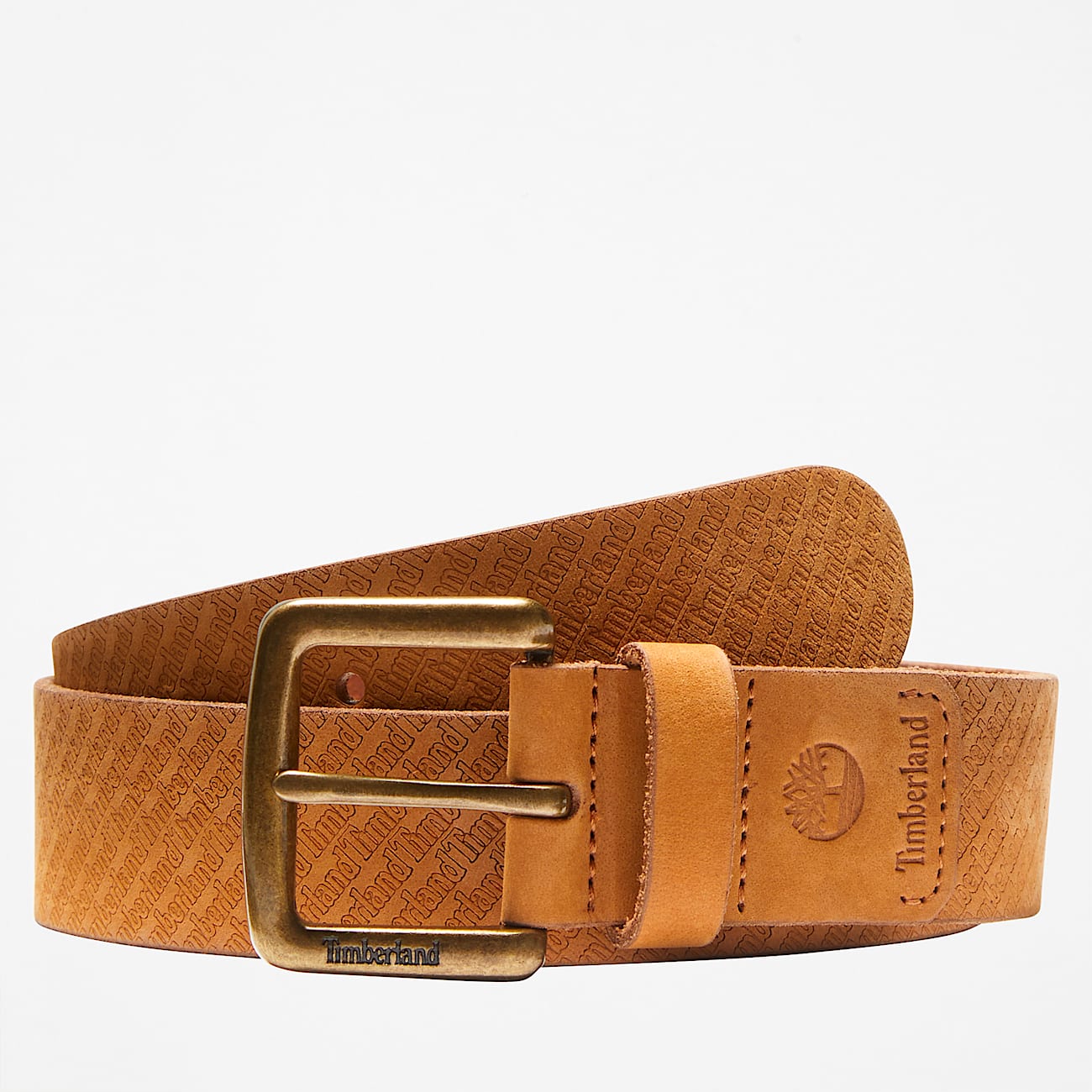
Links may earn a commission for this site.
Reliability Score: 9/10
Verdict: Multiple posts report decades of daily wear with minimal failure. Belt longevity is attributed to full/real leather construction and periodic conditioning/rotation rather than neglect.
Pros
- Decades of daily wear
- Still structurally intact
- Repairable hardware/rivets
Cons
- Leather weakened after soaking
- Some belts lose fit/holes
Compare with Alternatives
Compare vs Hank's BeltsCompare vs Hank's Heavy Duty Leather BeltCompare vs Hank's Belts ClassicTypical Failure Point
Buckle deformation over time
What Reddit Owners Are Saying
“”
“”
Timberland Leather Belt — In-Depth Durability Analysis
Anecdotal lifespan claims cluster around 12–40+ years of daily wear. Leather belts repeatedly described as remaining functional with preserved structure: “still going strong,” “still looks like new,” and “no deforming, stretching, cracking” (for other belt examples too). Construction/material claims: longevity credited to single-strip leather; skepticism of bonded leather and emphasis on full-grain/top-grain. Care/handling practices: rotate where it sits on the waist to prevent permanent banana/curve shape; condition leather with neatsfoot oil; use leather punch when resizing thrift finds; rotate buckle threading (reversing direction) to reduce stretching/misshaping. Documented failure mode: leather weakened from being soaked (sweat/wet drawers), then buckle rivets popped through; workaround reported as replacing rivets with larger ones via sewing-store tools. Reported alternatives: durable web belts (Patagonia tech web) used for ~10 years; some users prefer non-slip metal hardware (or plastic buckles) for work contexts.